
12 Steps to Open a Sports Bar: A Complete Guide for Entrepreneurs
Opening a sports bar is more than just mounting TVs on walls and serving beer—it’s about crafting a vibrant social hub where community, excitement, food, and atmosphere come together. From choosing the right location to selecting the perfect point-of-sale system, every decision plays a critical role in creating a successful venue.
At Roquin Solutions, we specialize in equipping hospitality businesses with advanced POS systems, IT infrastructure, and business technology tools to streamline operations and boost profitability. Whether you’re opening a casual hangout or a high-energy sports destination, this guide will walk you through the 12 essential steps to open your own sports bar and set it up for lasting success.
Step 1: Conduct Market Research and Define Your Concept
Before signing a lease or designing a menu, begin with a thorough understanding of your target market. Look at the local competition—what makes them successful or weak? Who is your ideal customer: students, working professionals, sports fanatics, or families? Define your brand identity and niche: are you a local neighborhood bar, a high-end sports lounge, or a college hotspot? Crafting a compelling concept will guide all future decisions, from design to drink specials to branding. Consider themes (like a focus on local teams), entertainment options (such as trivia nights or live DJs), and your food and drink style. This clarity will help differentiate your sports bar and attract a loyal following.
Step 2: Build a Business Plan
A well-researched business plan is crucial to securing funding and managing your strategy. Your business plan should include:
● Executive summary
● Market analysis
● Target demographic
● Menu and services offered
● Marketing plan
● Startup costs and revenue projections
● Staffing plans
● Equipment and technology needs
This plan serves as your roadmap and also communicates professionalism to investors and lenders. With Roquin’s IT consulting for small businesses, we help ensure the tech and POS portions of your plan are modern, scalable, and fully costed out.
Step 3: Secure Funding
The startup costs for a sports bar can range from $100,000 to $500,000 or more, depending on the location, size, renovations, licenses, and equipment. Common funding sources include:
● SBA loans
● Business lines of credit
● Angel investors or partnerships
● Personal savings or family investment
When budgeting, include expenses for furniture, kitchen equipment, sound and video systems, marketing, inventory, POS technology, and initial payroll. A modern POS system from Roquin Solutions can streamline cost tracking, labor scheduling, inventory, and sales forecasting, making your budgeting much easier.
Step 4: Choose the Right Location
Location can make or break a sports bar. Look for high-traffic areas with plenty of parking, good visibility, and proximity to entertainment venues, colleges, or business districts. Verify zoning laws and noise ordinances early in the search.
When scouting spaces, consider:
● Square footage and seating capacity
● Layout flexibility for TVs, bar seating, and dining areas
● Outdoor patio possibilities
● Accessibility and ADA compliance
The physical infrastructure should also support high-speed internet, Wi-Fi for customers, and security system installations—all of which Roquin Solutions can help implement.
Step 5: Apply for Licenses and Permits
To operate legally, you’ll need to apply for various local, state, and federal licenses, which may include:
● Business license
● Alcohol license (state-specific and time-sensitive)
● Food service permit
● Certificate of Occupancy
● Health inspections and food safety certifications
Liquor licensing is often the most time-consuming, so begin early. Stay organized and work with a business consultant or attorney if needed.
Step 6: Design the Space for Energy and Comfort
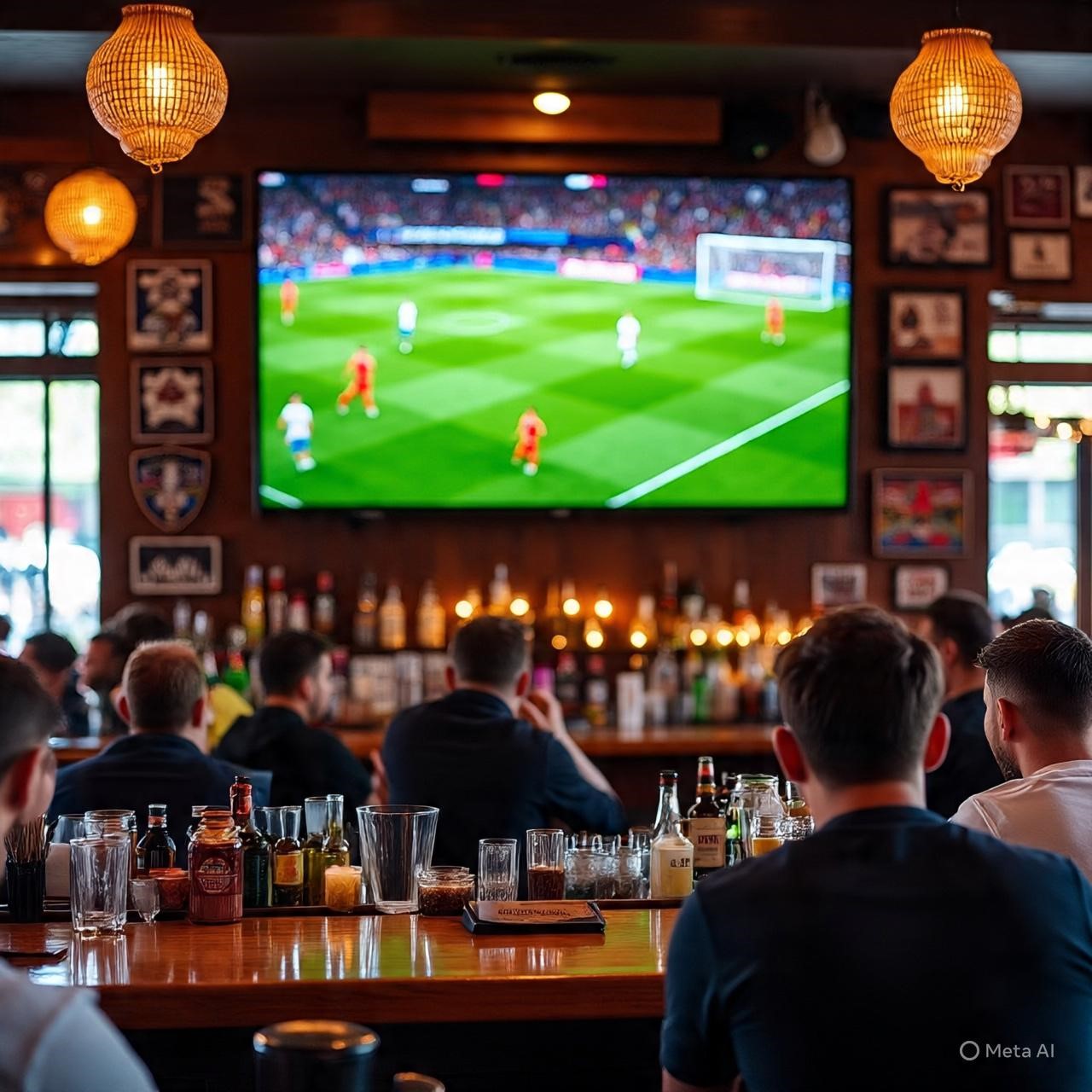
The layout and design of your sports bar should support your brand and enhance the customer experience. Think carefully about seating arrangements, bar placement, visibility of TVs, acoustics, and lighting.
Include:
● Large HDTVs and video walls in high-visibility spots
● Speaker systems for immersive audio
● Comfortable bar stools, booths, and tables
● Sports memorabilia and themed décor
● Good traffic flow from kitchen to tables
You’ll also need a well-equipped kitchen, beer tap system, refrigeration units, and a tech-friendly environment for POS terminals and kitchen display screens—services Roquin’s infrastructure team can design and install.
Step 7: Develop a Menu and Signature Drink Program
A strong menu blends crowd-pleasers like wings and burgers with creative or local specialties. Include vegetarian or gluten-free options to widen your appeal. For drinks, go beyond just beer: add cocktails, local brews, and non-alcoholic options like mocktails or specialty sodas.
Your POS system should make it easy to track best-sellers, margins, and inventory levels. Roquin’s systems can also integrate with your kitchen to speed up prep time and reduce waste.
Step 8: Purchase Equipment and POS Technology
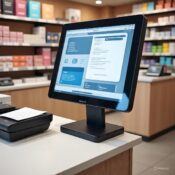
Your operations rely on efficient, integrated hardware and software. A modern POS system from Roquin Solutions includes:
● Counter and handheld POS devices
● Kitchen display systems
● Online ordering and delivery modules
● Payroll and tip management tools
● Loyalty programs and gift card integrations
● Customer-facing marketing and review management
This central system streamlines service, tracks data, and simplifies everything from inventory to employee scheduling.
Step 9: Hire and Train the Right Team
You’ll need reliable, personable staff—bartenders, cooks, servers, hosts, dishwashers, and managers. Hiring experienced team members is important, but so is strong training and a culture of customer service.
Roquin Solutions can help configure your POS for staff logins, tip tracking, shift scheduling, and performance monitoring—helping managers make informed staffing decisions and reduce turnover.
Step 10: Launch Your Marketing Campaign
Start building buzz even before your grand opening. Use social media to document your build-out, offer sneak peeks, and share your menu. Work with influencers, run ads, and connect with local sports teams or fan clubs.
Effective launch marketing strategies include:
● Soft opening with VIP guests or press
● Social media contests and giveaways
● Local partnerships and sponsorships
● Loyalty signups and early access promotions
Roquin’s integrated POS can help collect emails, analyze guest behavior, and automate promotions across channels.
Step 11: Host a Memorable Grand Opening
Your grand opening is your chance to make a powerful first impression. Offer free appetizers, drink specials, live entertainment, or giveaways. Invite local media, sports personalities, and community leaders. Capture the moment with professional photos and videos to use in future promotions.
Ensure your staff is fully trained, systems are tested, and service flows smoothly. A stable tech foundation (Wi-Fi, POS, kitchen systems) ensures a professional and glitch-free debut.
Step 12: Monitor, Adjust, and Grow
After opening, success is about refining your operations and keeping your customers coming back. Monitor metrics such as:
● Average check size
● Sales by category
● Best and worst-performing menu items
● Staff performance and labor costs
● Guest reviews and loyalty signups
Roquin Solutions provides businesses with real-time dashboards, sales reports, and analytics tools to help optimize every part of your bar. Whether you’re planning to open a second location or simply want to increase margins, our technology grows with you.
Conclusion
Opening a sports bar is a dynamic and rewarding venture—but success hinges on strategic planning, operational efficiency, and the ability to deliver an unforgettable guest experience. From your first menu brainstorm to installing your POS terminals, every detail matters.
At Roquin Solutions, we partner with new sports bar owners to bring their vision to life with cutting-edge technology, custom POS systems, and ongoing business support. Whether you’re starting your first location or scaling up, we’re here to make sure your technology works the way you work—efficiently, reliably, and profitably.
FAQs
How much does it cost to open a sports bar?
Costs vary depending on location, size, and concept. A small local bar may cost $150,000–$250,000, while a large venue with full kitchen and high-end technology may exceed $500,000. POS and IT setup typically account for 5–10% of total startup costs.
How long does it take to open a sports bar?
From concept to opening, it can take anywhere from 6 to 12 months depending on licensing, construction, and hiring timelines. Starting early with permits and system planning helps avoid delays.
What POS features are essential for a sports bar?
A sports bar needs real-time ordering, kitchen screen integration, drink menu modifiers, tip tracking, loyalty program integration, and shift scheduling. Roquin POS systems offer all of these plus scalable IT support.
Do I need special licensing for showing live sports?
Yes, commercial broadcast licenses (e.g., DirecTV or ESPN+) are often required to show certain sporting events. Always check with providers and legal advisors to remain compliant.
How many TVs should a sports bar have?
It depends on your size and layout. Even a small bar should aim for 6–10 well-placed TVs to cover different games and viewing angles. Larger venues may have 20+ screens or a video wall.